
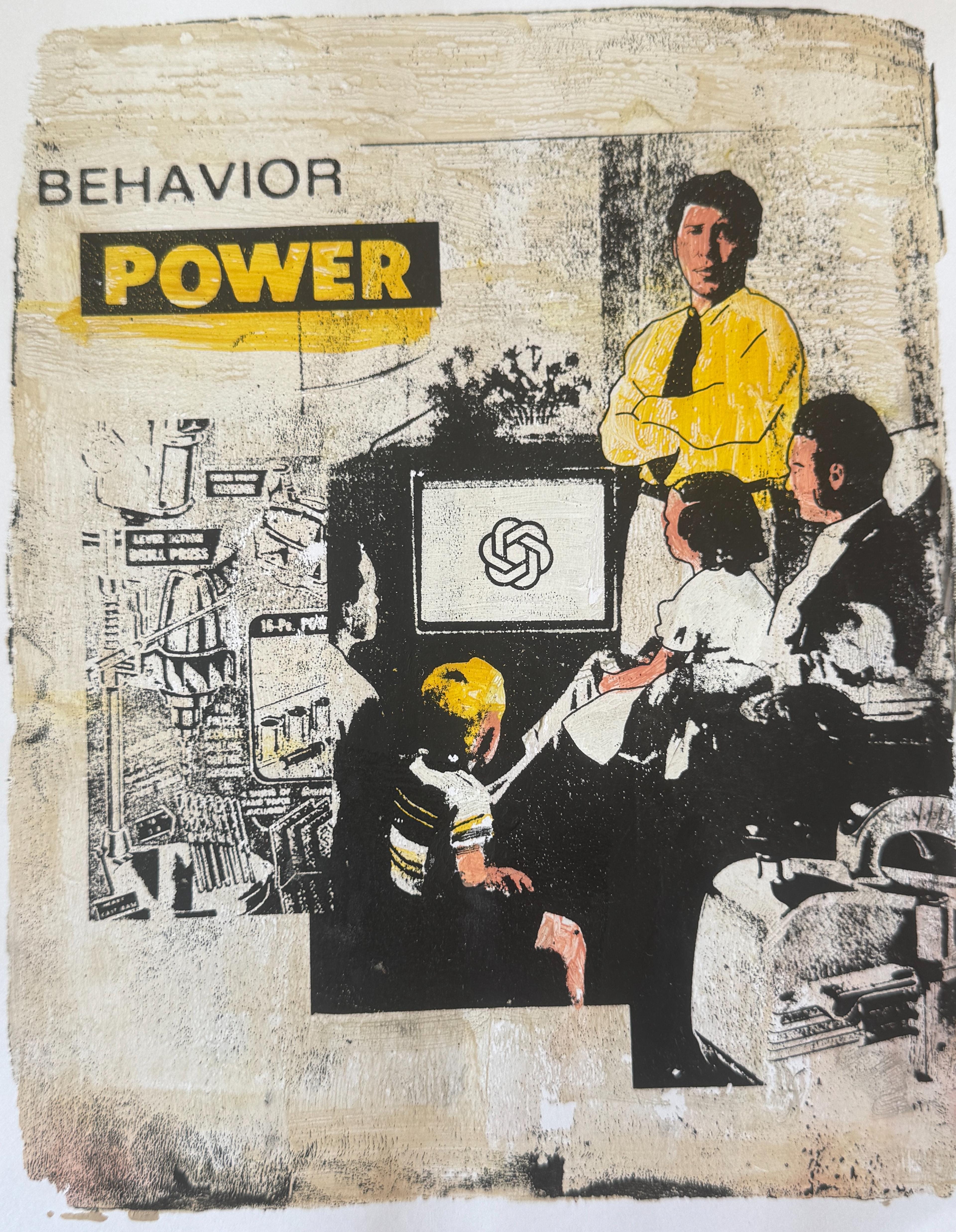
Privacy does not just mean you have something to hide. That's stupid.
This is what privacy is really about

Most people simply do not realise the purpose of privacy.
And you are one of those people if you think that you don’t need to worry about privacy if you have nothing to hide.
This is a bad take. Ignorant in fact.
Here’s the truth.
Think about the social media platforms you use everyday.
What is the real purpose of these platforms?
To show you content? That’s just the tip of the iceberg.
You need to zoom out more.
These platforms are run by for-profit corporations. They are looking to make some money.
It costs you nothing to use these platforms. So how do they make their money?
They use your data.
But how they turn your data into revenue?
This is how:
Show you content that you like to keep you on the platform for as long as platform
Track the way you use the platform - the posts you engage with, the content you share, the people you follow and much more
Make inferences about the topics you like and the things you are interested based on your activity and build a profile about you
Sell to businesses the ability to target you with ads on the platform based on your profile
This is the business model that many platforms rely on. And it makes them a lot of money.
These platforms are not mere conduits of information. They play an active role in controlling what you see and what you do.
That is the keyword here: control.
You may think you are in control of your digital experience. You’re not.
Once the recommendation engine has figured out your behavioural profile, it gets you stuck in a feedback loop.
You see content that gets you hooked, you stay on the platform longer, you engage in more content, you send more signals to the engine, and the cycle repeats.
Just look at your screen time for your social media apps - you know it’s true.
And this loop is not just limited to content that you find pleasurable. It includes stuff that makes you feel anger, sadness and many other things.
This loop you’re stuck in can become a toxic slot-machine, impacting your mental health, relationships, and many other things.
The online creeps into the offline.
But sure, you had nothing to hide right?
So what if a platform has all this information about you? What could they possibly do with it?
What they do is takeaway your control over your digital experience, and therefore your agency.
Think about how all this applies to AI, the next big emerging piece of the surveillance capitalist machine.
You have been using ChatGPT. Or Claude. Or Grok.
These chatbots learn so much about you through your conversations.
Using them as a companion? They definitely know a lot about you.
Your conversations become a transcript of everything you think and believe in, from the trivial to the intimate.
And these conversations are driven by an artificial entity more hyponotising than any recommendation engine you would have been subjected to.
AI listens actively, thoughtfully engages, and is infinitely patient whilst saying all the right things. This sycophancy seduces you to spill your secrets and your deepest thoughts, all tokenised and recorded inside the system’s memory.
This makes AI somewhat of a cognitive mirror, a detailed record of what is really in your head or how you are feeling. And the further you go down this rabbit hole, the higher the quality of the information about you that it accumulates.
All that intricate insight about is in the hands of another entity and your control over it is diminished.
Maybe it gets used for targeted ads so that the system provider can make money, or perhaps it is requested as part of legal proceedings or possibly it gets leaked to everyone altogether.
Privacy is not about having something to hide.
It is about protecting your digital experience and your agency.
It is about preventing your information from being used by others with incentives and interests that were never aligned with yours.
It is about being in control.


