

Fragmented surveillance at scale
How do data rights cope with doorbell cameras and recording glasses?

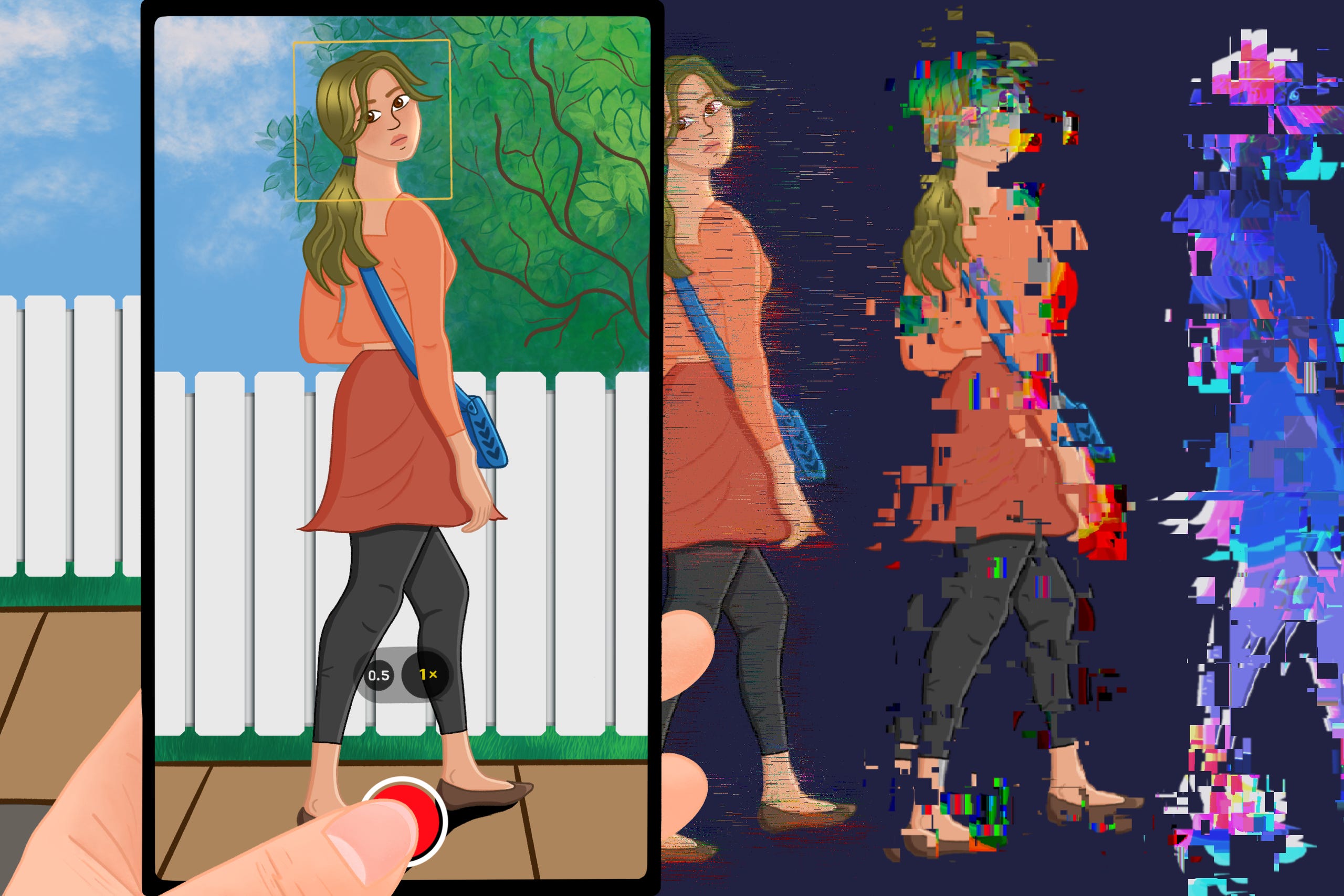
It is becoming much easier for individuals to monitor each other at scale.
I remember a time when doorbell cameras were a rarity, and were even perhaps met with a natural reaction to mediums designed to capture data about you. Unnecessary, excessive, creepy.
But now as I walk through most neighbourhoods, doorbell cameras are everywhere. It is becoming rare to see a house that does not have one of these devices slapped onto or next to a front door, gawking at you as you walk past.
What has happened here? How have these devices, once frowned upon, now become almost an imperative for every household?
I think this trend reveals something interesting about how people view privacy.
Many people often acquiesce to convenience, despite the preferences, values or ethics that they might claim to hold. This is ultimately context-dependent, but it is fair to say that people’s boundaries are dynamic such that they may be willing to buy particular products or engage in certain activities which they may have previously disregarded.
We can observe across many different domains in our digital age. Social media is an obvious one, and AI chatbots are probably the next.
But there is something particularly intriguing that the rise of doorbell cameras reveal about the attitudes people have toward privacy, whether their own or that of others.
One norm that seems to be emerging is that if one places themselves in some sort of public realm or area, whether physical or digital, then the collection of their data is basically free game.
There is sometimes a perception that if a person has a public social media account, and posts content on that account that essentially anybody can view, the collection and use of that data is completely legitimate. If it is public, and anybody can see it, then surely anybody can use it? If you didn’t want people to use your content, then don’t post it in a public space.
But this misses an important point about data rights and their purpose. That data are public may mean that the level of privacy one can expect is reduced, but it is not zero and, in any case, the publicity of the data cannot be taken as some sort of implied consent for its endless use by others.
This applies in the physical domain too. Just because you record someone who happens to walk past your property does not mean you can do whatever you want with that recording.
The use of data ought to be dictated by the legitimacy and necessity of its use, as well as be used only for that purpose and accordingly limited in term of its nature and volume.
These principles I think are being respected by individuals less and less. We can talk about certain companies and the poor data practices that they follow. But at an individual level, I think the respect for privacy is getting weaker.
And maybe doorbell cameras are not the strongest example to demonstrate this with. There are some people who simply use them as a deterrent, and do not even bother to use the full range of their functionalities or might even admit if questioned that the damn thing doesn’t even work (or they don’t know how to work it).
So another perhaps more consequential piece of privacy-invasive hardware to cite here is recording glasses. A surveillance device dressed as a fashion accessory.
These are devices that enable a more ambient form of passive data collection. They can basically record anything you see in any location that you go.
The same emerging cultural dynamics are at play here: if you are in a public space where someone happens to be filming with their recording glasses, that is on you.
The thing about both doorbell cameras and recording glasses is that it takes away the agency of the surveilled in terms of whether their data are captured. They have no choice - if someone has one of these devices and you enter their periphery, then your data is collected. No opportunity to consent, to know what it might be used for or who it might be shared with. It is already in the hands of someone else.
And people may not even know that this is happening. The indicators that someone is wearing recording glasses are subtle and very difficult to spot at a distance.
Such devices contribute to a sort of fragmented surveillance at scale.
The question is whether data rights are built for this.
I think our legal frameworks were mostly built to deal with more centralised forms of surveillance, initially by states but then by companies. You regulated singular entities carrying out processing activities concerning lots of people; an easily identifiable bottleneck that can be addressed in one swoop.
But when the means of surveillance are fragmented across the population, giving individuals the ability to monitor lots of other people at scale, what recourse do those being surveilled have?